Description
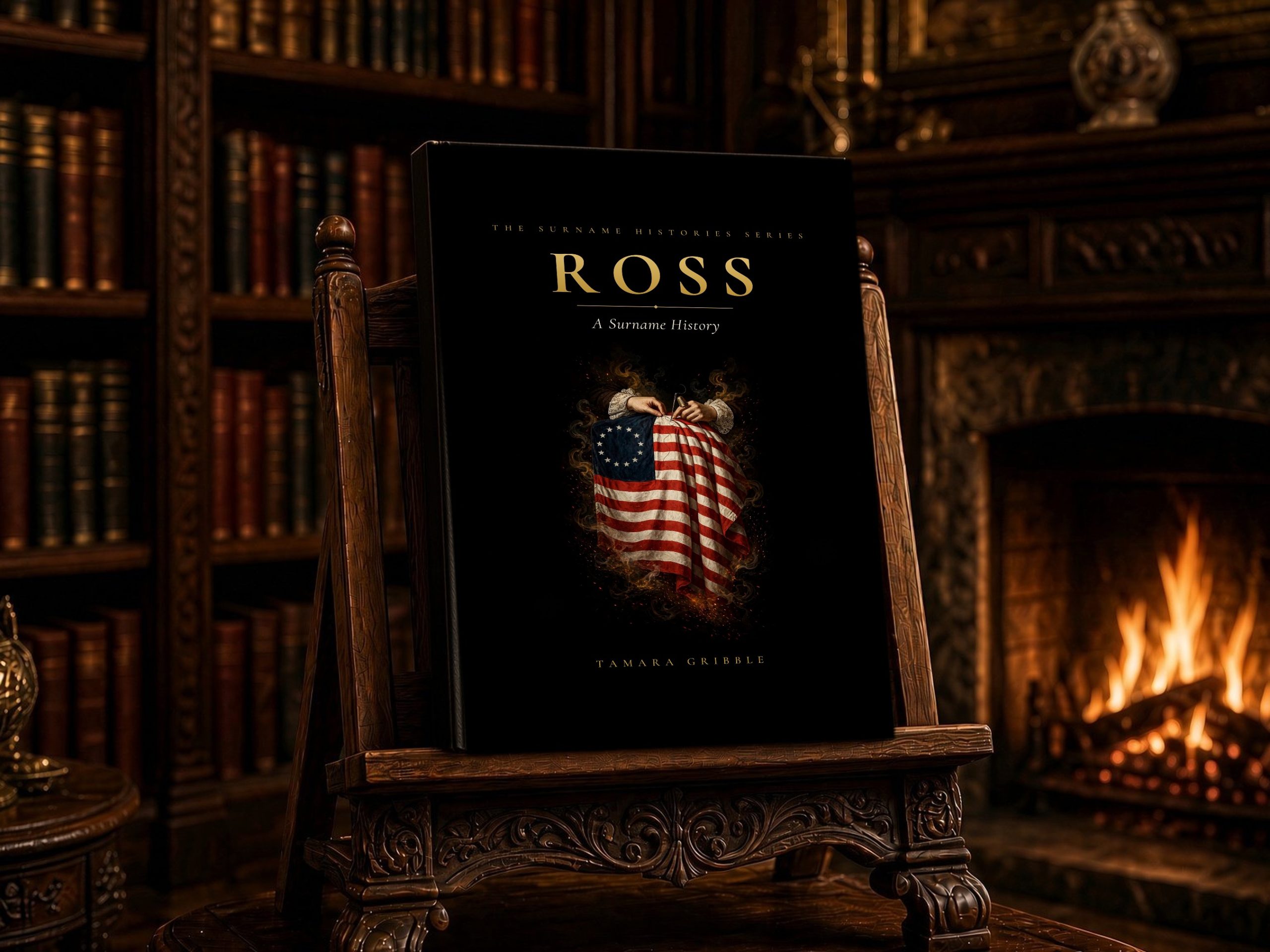
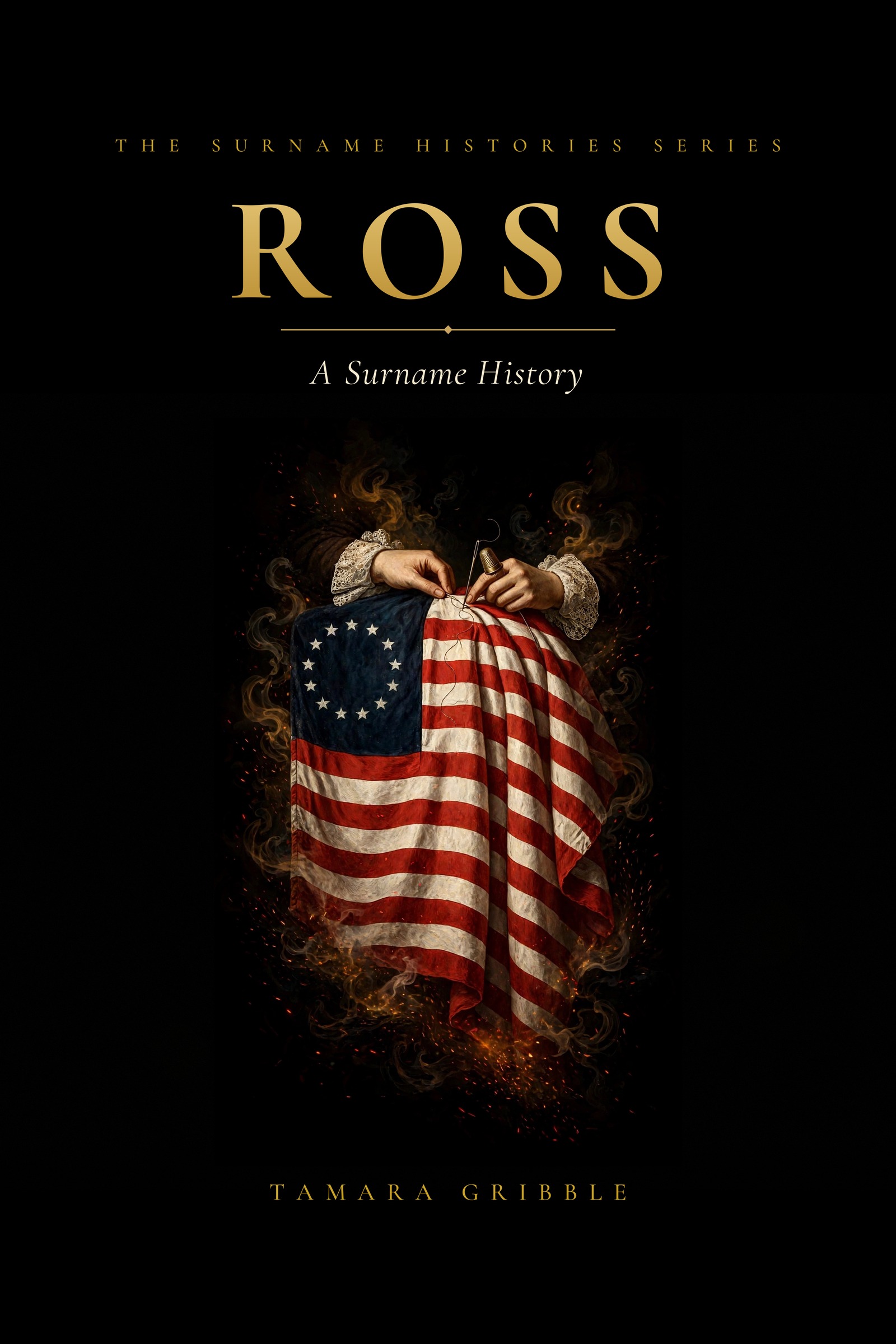
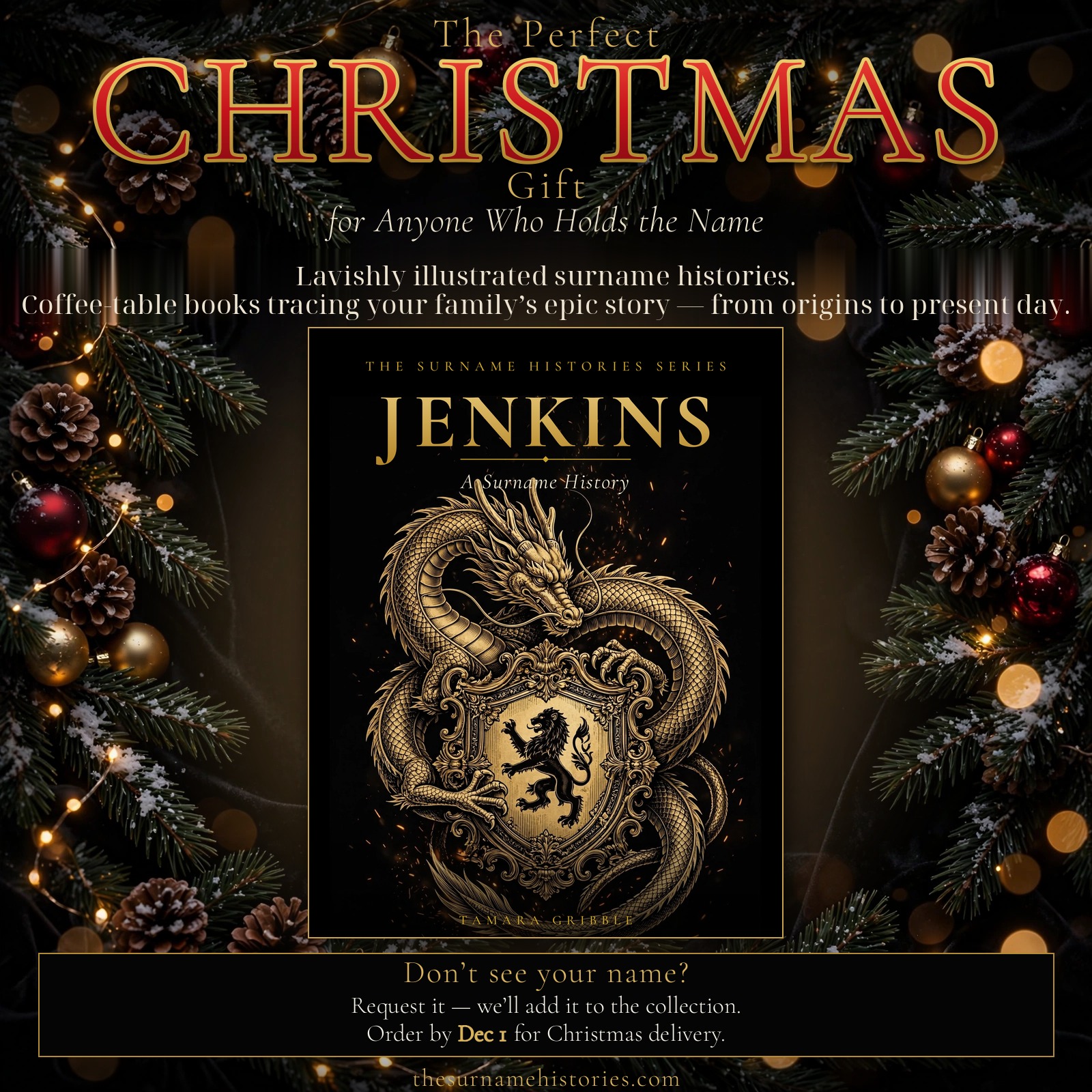
Ross is two names that learned to share four letters. Behind the first door stands the Scottish Ross — a name taken from the land itself, from Gaelic ros, “promontory, headland” — the Highland province between the firths, whose lairds of Balnagown took the earldom’s name when it passed away through a daughter’s line. Behind the second stands the German Ross — Ross, “horse” — breeder, keeper, the house at the sign of the horse. The chief’s shield is pinned: Gules, three lions rampant Argent — silver lions on red, Ross of Balnagown, matriculated in Scotland’s Public Register in 1985. Chapter Four belongs to Betsy Ross, a Philadelphia widow paid by the Pennsylvania Navy Board on 29 May 1777 — fourteen pounds, twelve shillings and twopence, “for Making Ships Colours” — a fortnight before the national flag existed. The beloved first-flag story, first told by her grandson in 1870, prints inside its frame — labeled tradition, beside the paper that is real. John Ross, a Scots trader’s son, carries the Cherokee chapters — Ross’s Landing, the fight against Removal, a nation rebuilt. The census closes the book verbatim: 229,368 Rosses in 2010, ninety-eighth in the nation — directly above Foster (ninety-ninth) and Jimenez (one hundredth), three volumes of this series in three consecutive ranks. Volume 86 of The Surname Histories Series.
If you’ve ever wondered where your last name comes from, this is where its story lives.
Reviews
There are no reviews yet.