Description
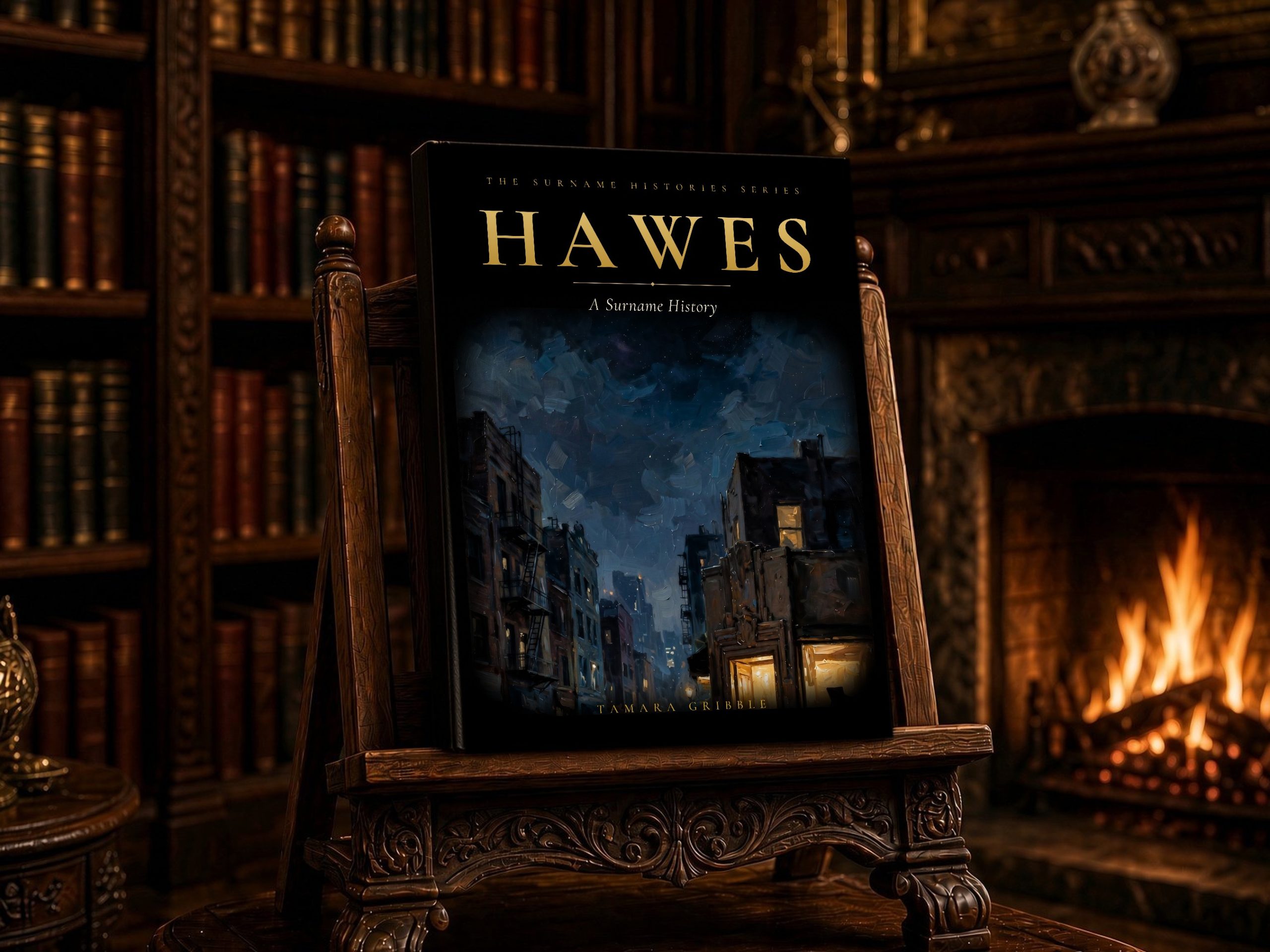
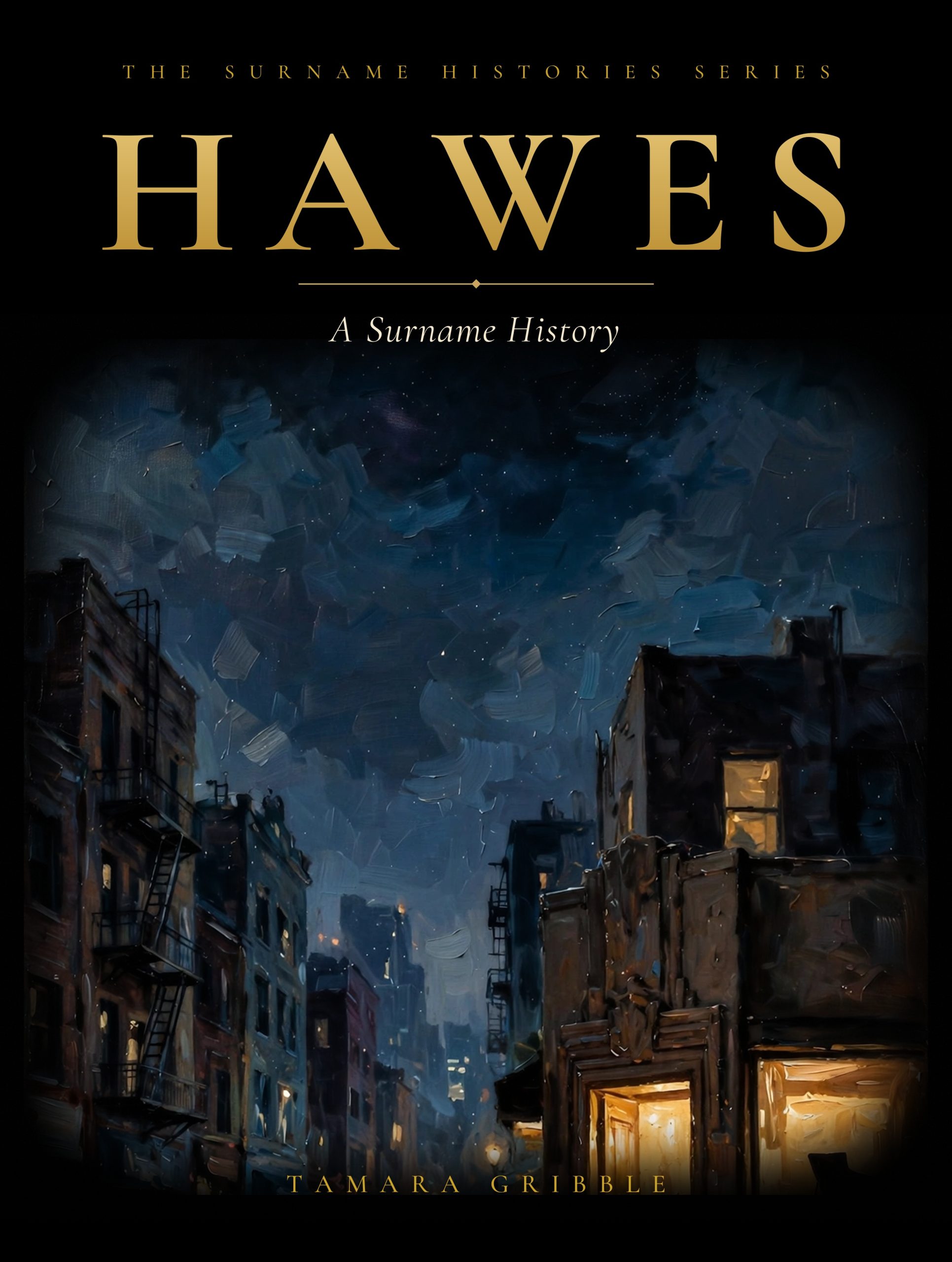
Hawes: A Surname History — Volume 109 of The Surname Histories Series.
Hawes is three English names wearing one spelling, and this book’s first duty is to keep them apart. The lead strand is a woman’s name: a metronymic from Haueis or Hawis, the medieval form of Hadewidis, borne by mothers who headed households in the rolls of 1273. The second is an enclosure — Haw with a genitival -s added. The third, a Yorkshire town in Wensleydale, is printed as the dictionary’s third sense and fenced there: the surname’s floor is southern, and the town is unrecorded before 1307. The book’s rule is a seam: Hawes ends where the -k- begins.
The 2010 census counted just 9,908 Haweses, at rank 3,590 — a small name with a Buckinghamshire heart and a southern bias. In England and Wales 12,000 Haweses were counted in 1851; 11,000 were in London. The earliest Hawes baptism prints in 1580, at Chieveley, Berkshire; the 1613 marriage of Thomas Hawes and Ann Cooke at Chilton Candover is printed in facsimile.
Two founders carry proven English baptisms — Richard of Great Missenden on the Truelove in 1635, Edmund of Chilton Candover on the Confidence in 1638. Two others, John of Dedham and Joseph of Yarmouth, print as no baptism found. The gallery holds sixteen bearers: a king who made it four years; a countess whose father built a university; a man who was born a slave and became a colonel; the preacher whose hymn is still sung on the radio; and the physicist who proved the positron was real.
If you’ve ever wondered where your last name comes from, this is where its story lives.


Reviews
There are no reviews yet.